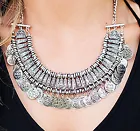
Ancient Egypt (2600 BC – 20 BC)

- Jewelry was very important in ancient Egyptian culture, worn by both men and women. It was seen as a symbol of status and wealth.
- Most jewelery was made from gold, as Egypt had abundant supplies. Other precious materials included lapis lazuli, turquoise, carnelian, and faience (a glazed ceramic).
- Common jewelry types included necklaces, collars, pectorals (chest ornaments), rings, bracelets, earrings, and head ornaments like diadems.
- Jewelry designs often incorporated symbolism from Egyptian mythology and religion. Scarab beetles, the Eye of Horus, ankhs, and the vulture goddess Nekhbet were common motifs.
- Pharaohs wore ornate jewelry like broad collars, pectorals, bracelets and rings to emphasize their divine status. Royal women also wore elaborate jewelry.
- Techniques like cloisonné, filigree, and granulation were used. Jewelers also incorporated glass, faience, and precious gemstones into designs.
- Jewelry was buried with mummies, to be used in the afterlife. The tomb of Tutankhamun contained a huge cache of ancient Egyptian jewelry in gold and semi-precious stones.
- Ancient jewelry has provided insight into metallurgy, gemology, art, religion, and trade in ancient Egypt. High quality jewelry indicates advanced craftsmanship for the time.